
Explore expert perspectives, industry updates, regulatory insights, and practical knowledge from the RBP team. Stay informed with our latest blogs covering trends, compliance, sustainability, and business best practices.

Ask most people what good design looks like, and they'll describe something visual. A colour palette that works. A layout that feels modern. Typography that's been chosen with care. And none of that is wrong — but it's also not the whole picture. The design world has a habit of celebrating how things look. Dribbble shots. Behance portfolios. Award galleries full of websites that are genuinely stunning. But scroll through the comments and you'll rarely find anyone asking: *did this actually work for the people using it?* Because here's the thing — a design can look incredible and still fail completely. And a design that functions exactly right will almost always look good, even if no one can explain why.

Voice search optimization is rapidly becoming a fundamental part of modern search engine optimization, transforming the way people interact with search engines and discover information online. Learn how to optimize for conversational queries in 2026.

Most business owners build a website, wait for customers to show up, and then wonder why nothing is happening. The truth is, building a website gets you online. But being online and being found are two completely different things. In this guide, we’ll explain what SEO is and how it works in 2026, and why it is critical for business growth. In 2026, search engines are not just listing websites. They are making judgment calls about which businesses deserve to be seen. And increasingly, so are AI tools like ChatGPT, Gemini, and Perplexity. If your website is not bringing in leads, it is rarely a content quantity problem. It is almost always a direction problem. Your content is not clear, trustworthy, or well-structured enough for modern search systems to confidently recommend it. That is exactly what SEO solves. But not the SEO you learned about five years ago.

Email marketing has been declared “dead” many times, yet it continues to outperform newer digital channels where it matters most—real, measurable ROI. As we move into 2026, marketers are facing rising ad costs, stricter privacy regulations, and higher expectations driven by AI-powered personalization. In this evolving landscape, one question stands out.
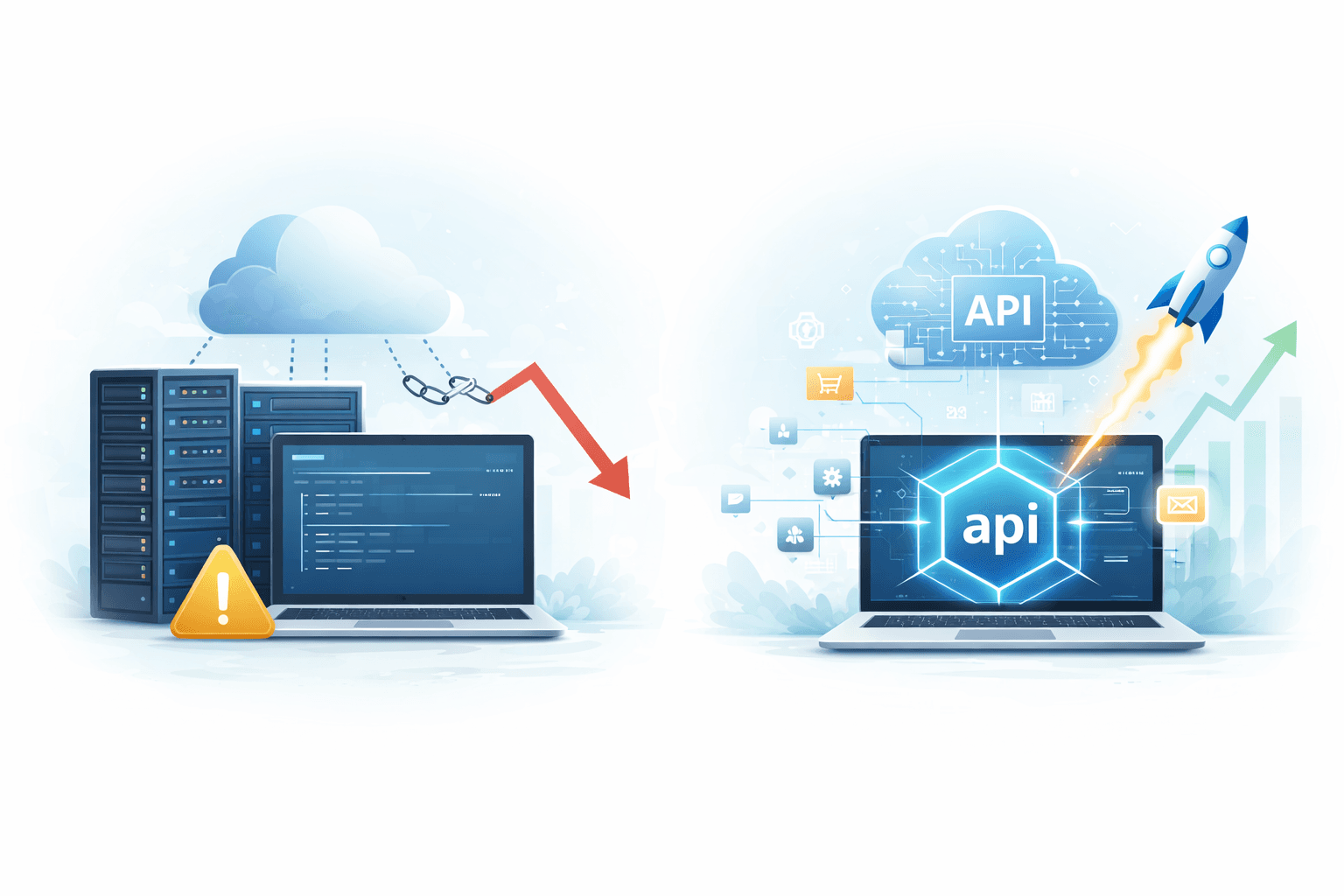
In today’s digital-first world, businesses invest heavily in marketing, branding, and user interface design. However, many still overlook one critical foundation that directly affects customer experience and revenue: the backend system. Customers may never see your backend, but they feel its impact every time a website loads slowly, a payment fails, or an app crashes at a crucial moment. These technical issues are often misunderstood as “IT problems,” but in reality, they are business problems with direct financial consequences. As digital expectations continue to rise, backend performance is no longer optional. This article explains how poor backend systems quietly hurt business growth and how modern, API-driven architectures help companies scale reliably and sustainably.